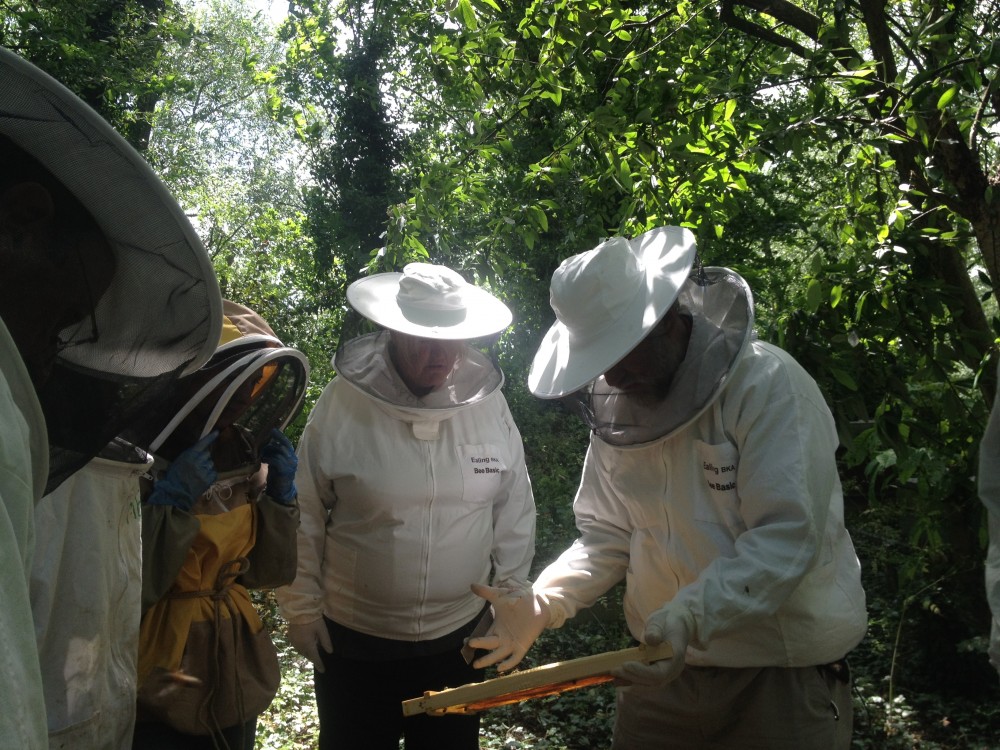
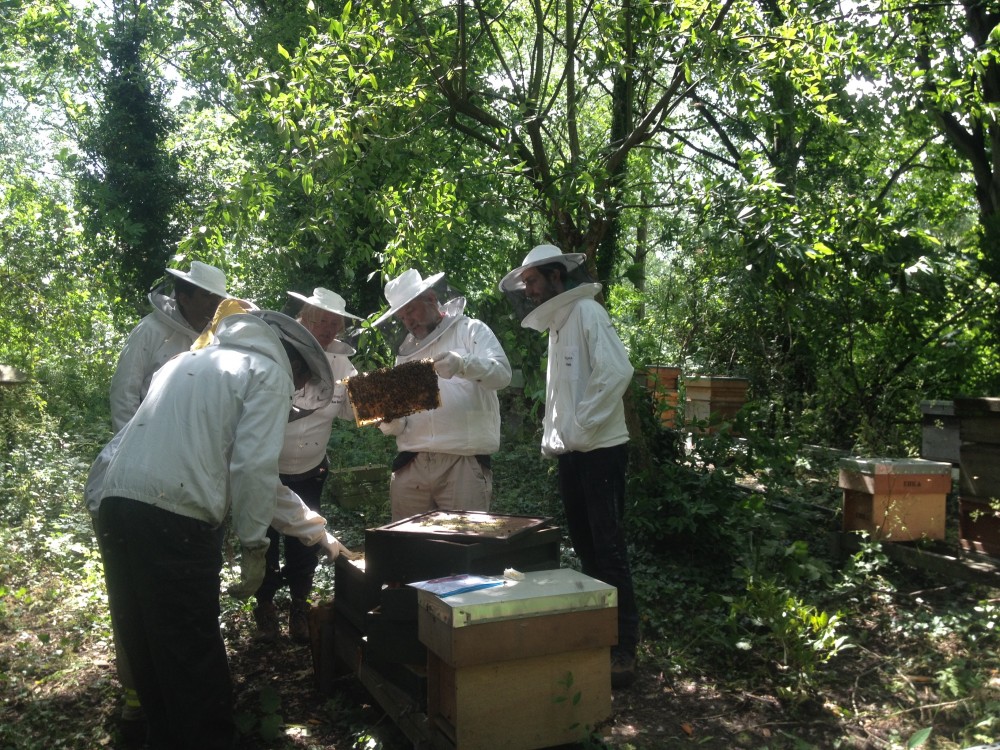
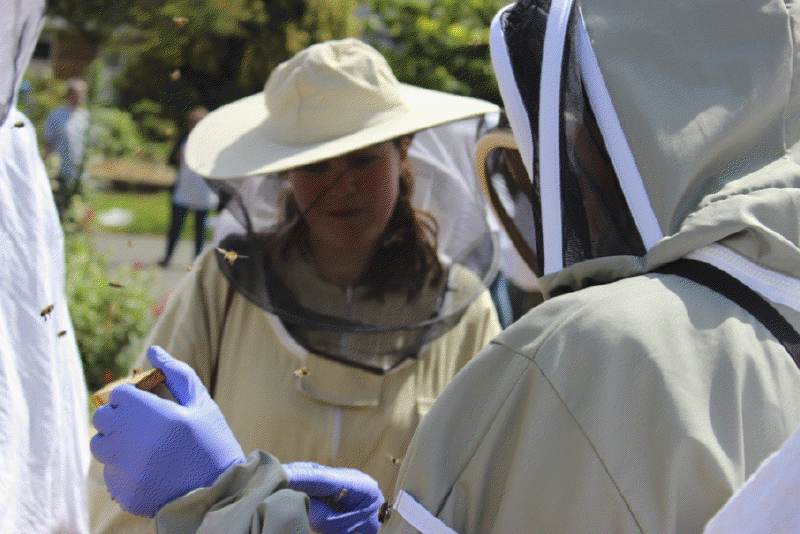
On Sunday Emma and I went to a ‘Varroa Workshop’ themed day held by the London Beekeepers Association, in conjunction with inspectors from the National Bee Unit. The Unit’s inspectors spend their working lives giving beekeeping training, checking for disease in the public’s hives and carrying out beekeeping research. If anyone in this world knows anything about bees, it’s them.
I learnt so much during the day that I’m going to have to split my notes up into a series of posts. This first post contains my notes from the talk by Alan Byham, SE Regional Inspector, on varroa – “Know your enemy”.

A female varroa mite – © Crown copyright 2010 “Courtesy The Food and Environment Research Agency (Fera), Crown Copyright”
“There are far more colonies lost to varroa than anything else”, Alan told us. The number of colonies lost to the statutory diseases which must legally be reported if suspected by a beekeeper (the European & American foul broods) is about 800 annually in the UK. In contrast many thousands of colonies will be lost to varroa. The main risk is not the mites themselves but the viruses they help transmit.
Alan gave us an extensive presentation on the in-bred lifecycle of the mite. A female mite will enter an uncapped cell with a larvae inside and bury herself under the larval food, where the bees – and beekeepers – can’t see her whilst inspecting. She uses specialised tubes to breathe during this time. A pheromone is given off by larvae ready to be capped – female mites sense this earlier than adult bees and receive a cue to enter cells just before they are ready for capping (mites enter day 8 after the egg is laid, while worker & drone cells are capped on day 9).
Once the cell is capped, the female mite will emerge from under the larval food and lay a series of eggs – first a male egg, then females. The young mites hatch and mate with each other within the cell, obtaining energy to do so by feeding on the developing honey bee larvae. Mites mate on their own faeces, which give off a pheromone smell enabling them to find each other in the dark of the cell. 60-70% of the mite population will be breeding in the brood during the active seasons of spring, summer and autumn. Western honeybees, Apis mellifera, currently have no defence against varroa multiplication.
Once the honeybee larvae emerges, the young female mites crawl out too and spend some time feeding phoretically on the backs of adult honeybees, before they can carry out the cycle again by hiding within an uncapped cell. They can live between 1-5 months.

Immature mites feeding on a bee larvae- © Crown copyright 2010 “Courtesy The Food and Environment Research Agency (Fera), Crown Copyright”
“I get so many beekeepers telling me they haven’t got varroa in their hives”, Alan remarked…”In the early part of the season you won’t see varroa – doesn’t mean they’re not there!”
The big problem comes in July, when brood numbers start to drop off but mite numbers are increasing. At this stage the colony can collapse if varroa levels become too high. Tragically, often beekeepers find that their strongest and best colonies succumb. This is because lots of brood will also carry lots of varroa. Colonies that are prevented from swarming will also have more mites, because they won’t have a broodless period.
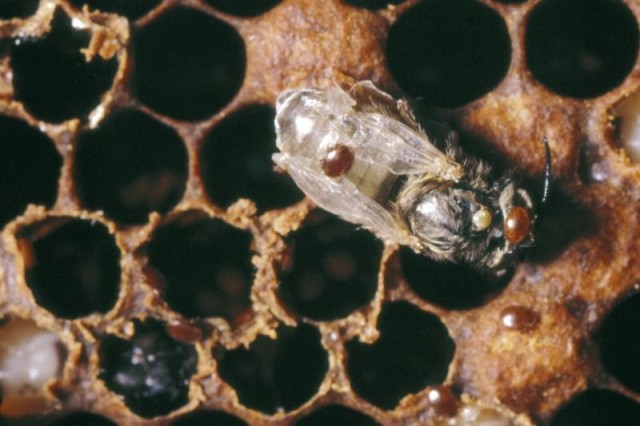
Varroa infestation – © Crown copyright 2010 “Courtesy The Food and Environment Research Agency (Fera), Crown Copyright”
The audience was obviously fascinated as plenty of questions were soon flying. “What about varroa resistant bees?”, Alan was asked. An “interesting idea”, he told us, but in his opinion no-one has successfully done it yet. He believes good husbandry methods, combined with requeening each year with a resistant-bred queen from specialist breeders, produces this effect. It’s not sustainable when queens are mating with local drones from all over the place, and therefore resistant bees are going to take a long time to do significant good for beekeeping.
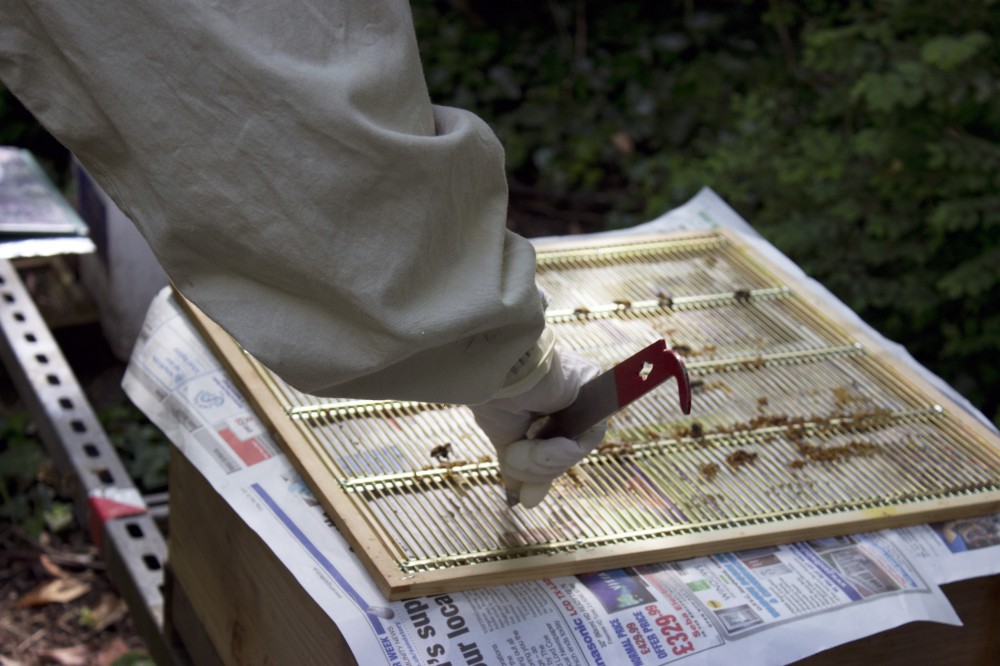
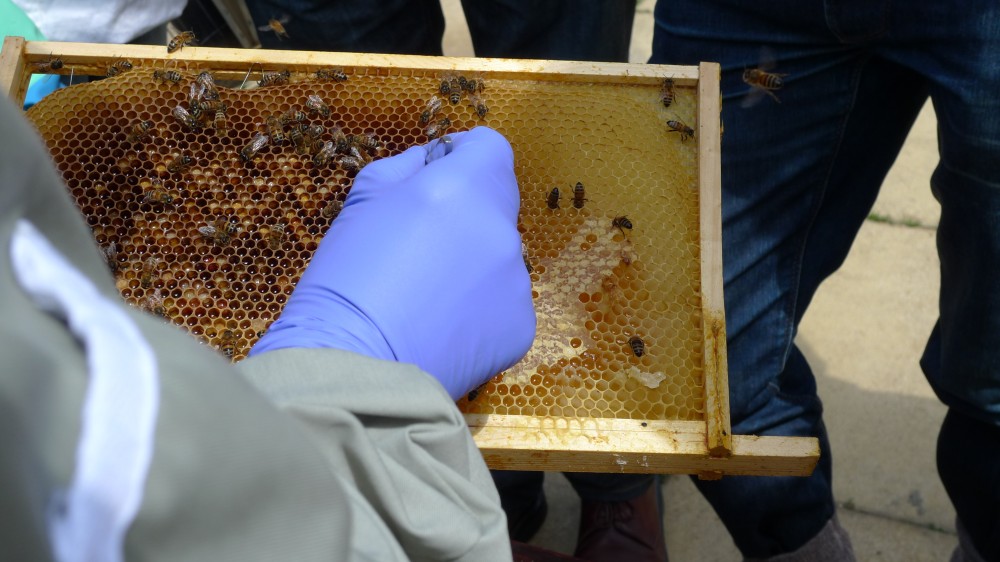
“How effective is icing sugar dusting?”. The advantages of this method, Alan told us, is that it’s cheap and easy to do. It can also be done with supers on, unlike thymol based treatments like Apiguard which might taint the honey with their smell. The icing sugar works by interfering in the mite’s grip on adult bees moving around the hive. A flour dredger or a honey jar with holes punched in a lid work well. Work in pairs to do the treatment, with one person holding out each frame horizontally and another person dusting the sugar over each side.
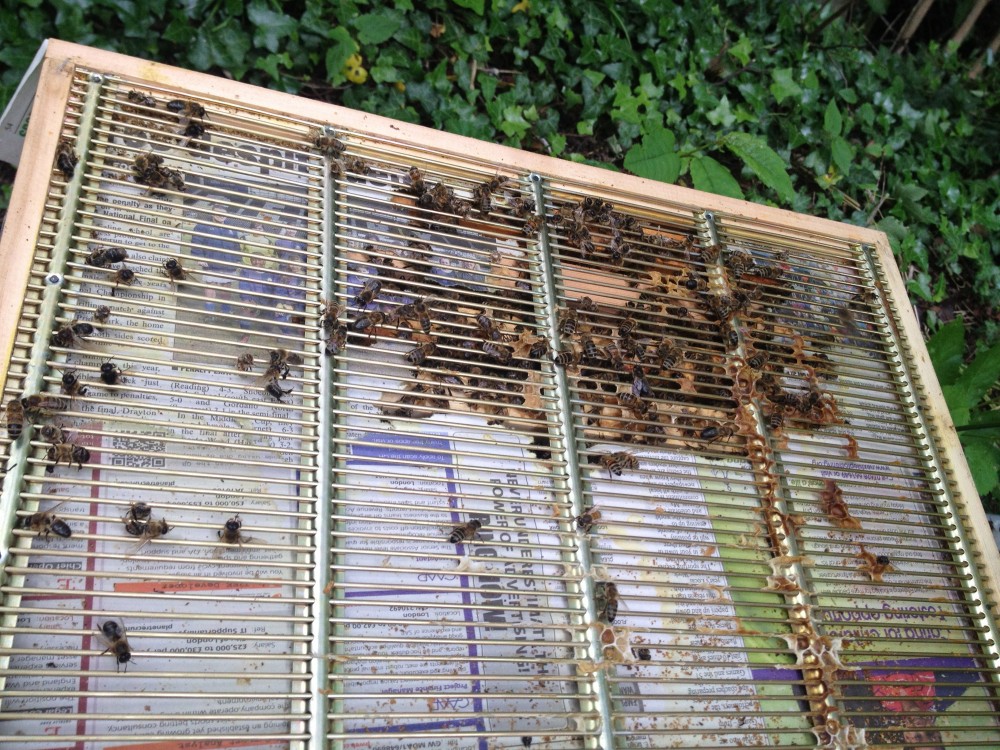
As the treatment doesn’t kill mites, but only knocks them off, it is only any good in a hive with an open-mesh rather than a solid floor. Since it only affects phoretic mites clinging onto adult bees, which only make up about 30-40% of the mite population, it is a low efficiency treatment and generally only reduces mites by about 20-30%. This may sound good, and is better than nothing, but really an 80% effective treatment (such as Apiguard or oxalic at the appropriate times of the year) is needed to have any real effect on mite numbers.
“All sorts of things might do something – a pair of my smelly socks might kill off a few mites – but you want to kill them in quantity!”, Alan concluded.
You cannot rely on sugar dusting alone to keep varroa levels down; if you do your colonies will die (Alan repeated this twice). This is true generally of varroa control: you cannot rely on one treatment alone, but should use several different methods throughout the year.
Some beekeepers prefer to grind up their own sugar, as they are wary of the anti-caking agents in icing sugar. In Alan’s view the anti-caking agents do the bees no harm and grinding up the sugar is likely to reduce the efficiency of the treatment, because it’s the super fine powder that you want to reduce the mite’s grip.
“How do feral colonies last without treatment?”, someone asked. Many people were surprised when Alan told us that in his opinion feral colonies could last longer without treatment than a managed colony. This is because feral Apis mellifera colonies are more similar in composition and behaviour to the mite’s native host, the Asian honeybee Apis cerana. Feral colonies are smaller and swarm more often, meaning there is less brood for the mites to reproduce in and regular breaks in the brood cycle after each swarm. Maintaining large colonies to try and produce a honey crop brings its own risks.
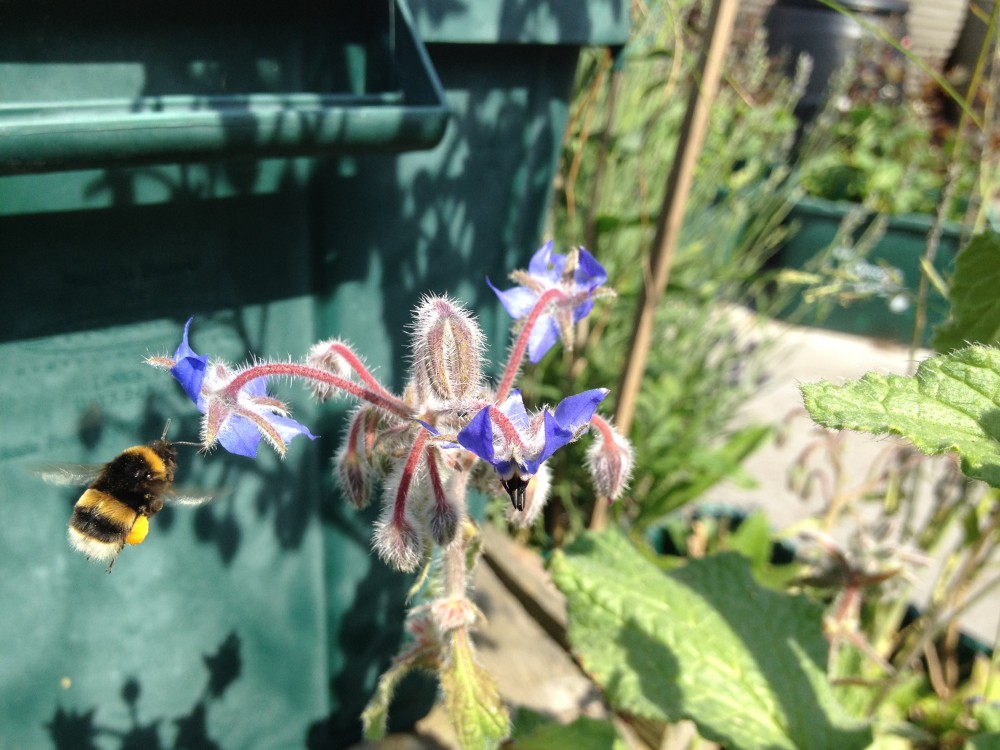
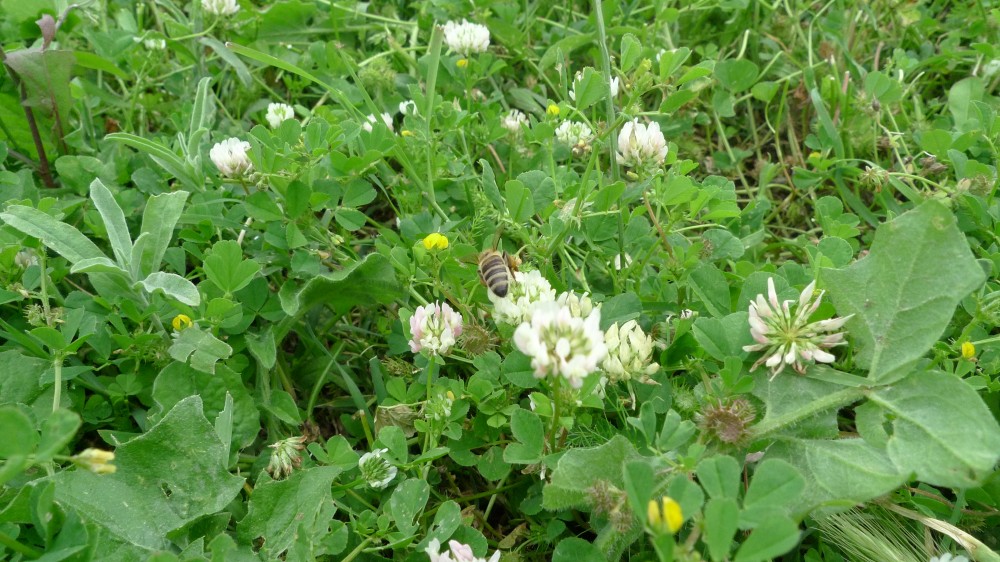
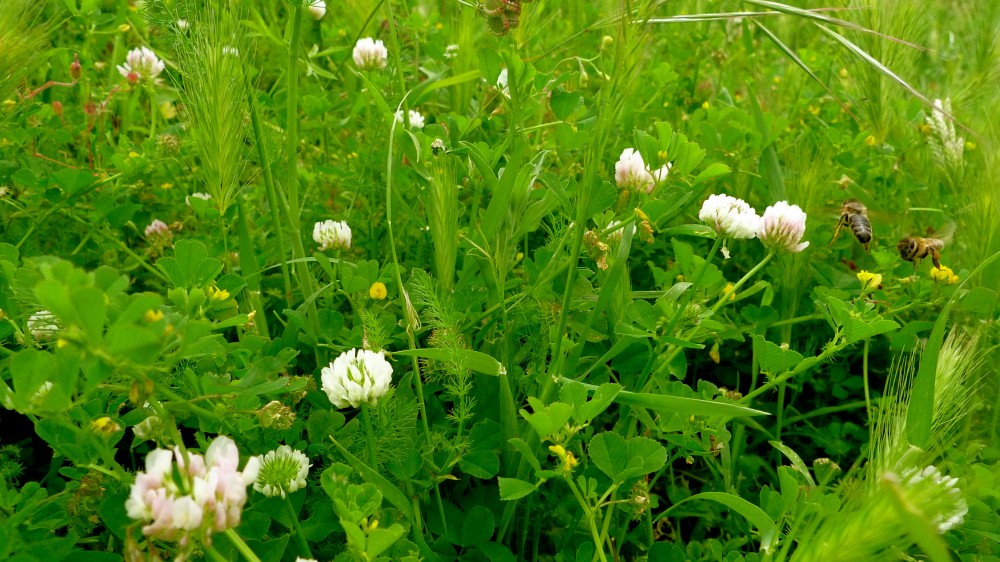
My next posts will contain advice from the bee inspectors on chemical controls and husbandry methods to keep mite levels down, as well as photos of bees in the beautiful garden where the day was held, at Roots & Shoots in Lambeth.
























 Adventuresinbeeland's Blog