I went to see bumble bee expert Dave Goulson speak recently at a London zoo lates talk. Security guards escorted the audience through the darkening zoo to the B.U.G.S (Biodiversity Underpinning Global Survival) House, giving us glimpses of graceful pink flamingoes on the way.
With half an hour before the event began, we were able to walk round B.U.G.S. It celebrates biodiversity rather than just containing insects, so I could see tunnelling naked mole rats, waving jellyfish and enormous piranhas. But it was at the honey bees that I had a chance encounter with Dave.
There was a flat two-sided observation hive protruding from the wall. I think it had about three or four vertically arranged combs which I could see both sides of. I was spending some time watching them because a) they’re bees and b) they looked a bit unhealthy. The combs were very dark and large patches of brood had not hatched out – you could see the heads of the larvae but they were clearly dead. Perhaps chilled brood or bald brood.
“They don’t look too happy, do they?” Dave said, and we had a short conversation about how bees in observation hives never seem to do that well as the set-up is quite unnatural, but they are a great educational tool. Then he heard his name being called so went to see who needed him. I carried on round the exhibition until I reached the new free-range ‘In With The Spiders‘ installation, which it turned out Dave was being given a tour of.
In this new room of spiders there is no barrier between you and the spiders. Huge tropical spiders hang high up above in trees, watchfully looking down at their human prey, which they could pounce on and devour at any moment. No… in reality the keeper said the spiders hardly ever move, unless she dangles a tasty fat mealworm beneath them. However the spiders have already been embroiled in controversy, as a woman has claimed she was bitten on the hip and needed hospital treatment after going through their enclosure.
Onto the talk… I know a number of people following this blog are bumblebee fans and have read Dave’s two books, A Sting in the Tale and A Buzz in the Meadow. Dave has been studying bumbles for about 20 years and is on a mission to educate the public about the diversity of bees out there. To many people, bees means honey bees, but in reality we have one species of honey bee in the UK, around 26 bumblebees and a whopping 220-ish species of solitary bees. We just don’t notice the solitary bees!

The pretty front covers of Dave’s books
Worldwide, there are around 250 known species of bumbles. They are large, hairy and mostly found in cold regions. They’re also warm blooded – an exception to most insects, which are usually cold blooded. The highest density of species – 60 – is found in the eastern Himalayas, where bumbles are believed to have first originated. One species, Bombus polaris, even lives in the Arctic circle. Bees in general are of course descendants of wasps. Wasps first became bees (which are basically wasps turned plant-eating vegetarians) back in the time of the dinosaurs.

Map of bumble bee distribution
In the spring bumblebee queens set up new nests after hibernating over winter. Being able to flap their wings 200 times a second produces lots of heat, enabling queens to fly in February/March when temperatures are just above freezing. The queen will stock her nest with a ball of pollen from the first spring flowers, then lay eggs and incubate them like a bird, shivering her flight muscles to generate heat. She can only survive one reproductive year, so will never leave her nest again. The new queens she produces will mate only once, then go into hibernation from as early as June.
Being warm blooded means bumbles have high energy requirements – they need a LOT of flowers, in a world where humans are reducing flowers. Some scientists have estimated that if you were a man-sized bumble bee (what a fantastic creature that would be), you’d burn the energy provided by a Mars Bar in 30 seconds of flight – whereas that takes a human runner an hour. If bumbles can’t find enough nectar, they sometimes struggle to generate enough heat to take off – then they’re in trouble. Don’t do what Dave did as a child and gently cook them on a hob to warm them up!
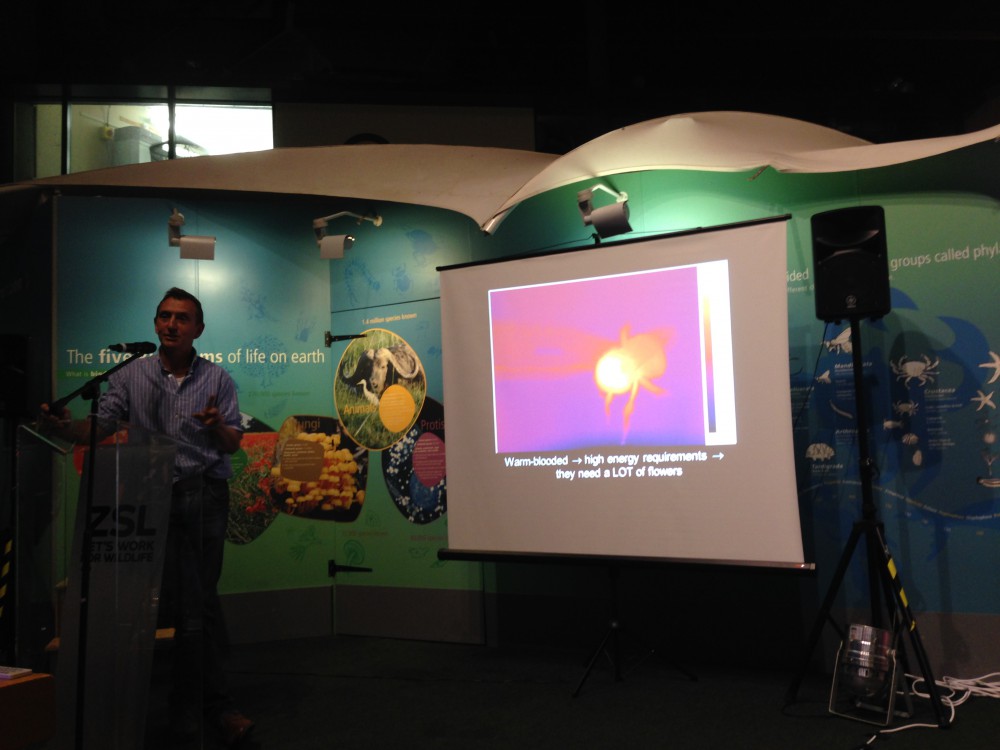
Warm blooded bee
Causes of decline
Dave says there is a simple answer – we’ve lost most of the flower-rich grasslands we used to have. We lost 97% of these during the twentieth century, as farmers switched to grass silage production for their animals rather than hay meadows. Silage is usually sown with one or two species of grass and lots of fertilisers. Fine for cows but rubbish for bees.
The soil in our natural old hay meadows is really low in nitrogen – so grass can’t grow – the meadows were full of beautiful flowers with their own source of nitrogen. Peas, vetches, clovers, legumes. These flowers put lots of protein in their pollen. Chucking fertiliser on a field ruins the balance, so that grass starts up and smothers the flowers.
Diseases
Wild bees are now exposed to many new diseases and parasites. Diseases are spread by the movement of honey bees and commercially farmed bumblebees. Farmers used to employ people to pollinate tomatoes, using vibrating wands. But that changed when a Dutch man figured out how to breed them for commercial purposes. Every tomato you’ve ever eaten since about 1988 was most probably pollinated by a bumble bee.
Trouble was, no-one was checking that the nests provided to farmers for their growing tunnels were clean. It turns out that the majority of nests farmers buy in have one or more parasites. Escapees from the commercial nests then spread these parasites to the wild populations. In Chile European bumbles were deliberately released to help with pollination, but (in an echo of what happened when European humans first arrived in South America) their diseases are wiping out Chilean bumbles.
Pesticides
Despite the two year EU manditorium on using neonicotinoids, Dave said their use actually increased in 2014. DDT has a deserved reputation as a wildlife killing baddie pesticide. Well, here’s a comparison of the LD50 (dosage which kills 50% of a test population) in honey bees for the neonicotinoid insecticide Imidaclopid and DDT:
Imidaclopid 4 ng/bee
DDT 27,000 ng/bee
Yep, it actually takes a much lower dosage of Imidaclopid to kill bees. Imidaclopid is one of the most widely used insecticides in the world.

Orchards being pollinated by hand in China, after pesticides destroyed native pollinators
How we can help
The great news is, we can all do plenty to help. At the top end, if you happen to own a meadow or farm, try to restore/recreate a flower-rich meadow.
But you don’t have to have land to help! You can also:
- Raise awareness – tell people there are lots of species of bee, they’re in trouble and need our help.
- Engage children. Most love bugs as young children but want to squash them by the time they’re teenagers. Stop them growing out of the loving bugs phase!
- Citizen science. A project called the Buzz Club – http://thebuzzclub.uk just launched. Dave said this is hopefully a long-term citizen science project which aims to gather useful data on pollinators. The data will be collected by volunteers and analysed by University of Sussex scientists.
- Bumblebee Conservation Trust bee walks – help the Trust (which Dave founded) by doing a regular walk once a month between March to October and recording how many bumble bees you see.
- Wildlife friendly gardening, even if it’s just a window box. The University of Sussex website has a long list of bee-friendly plants.
Don’t plant!
Begonias, Petunias, Busy Lizzies, Pansies
Most of these don’t have nectar or pollen and have been treated with pesticides before being sold at garden centres.
Do plant
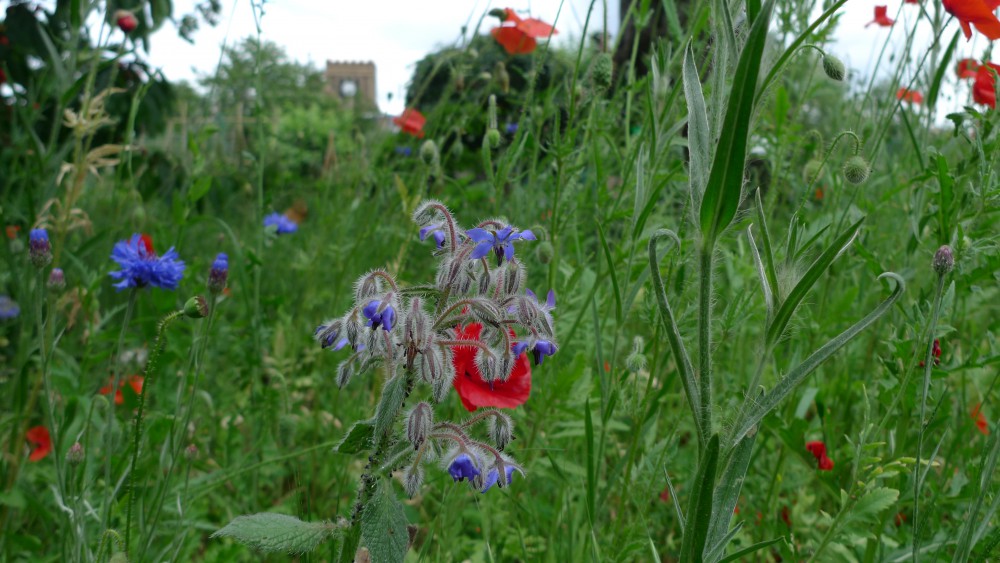
Cottage garden perennials, Wildflowers
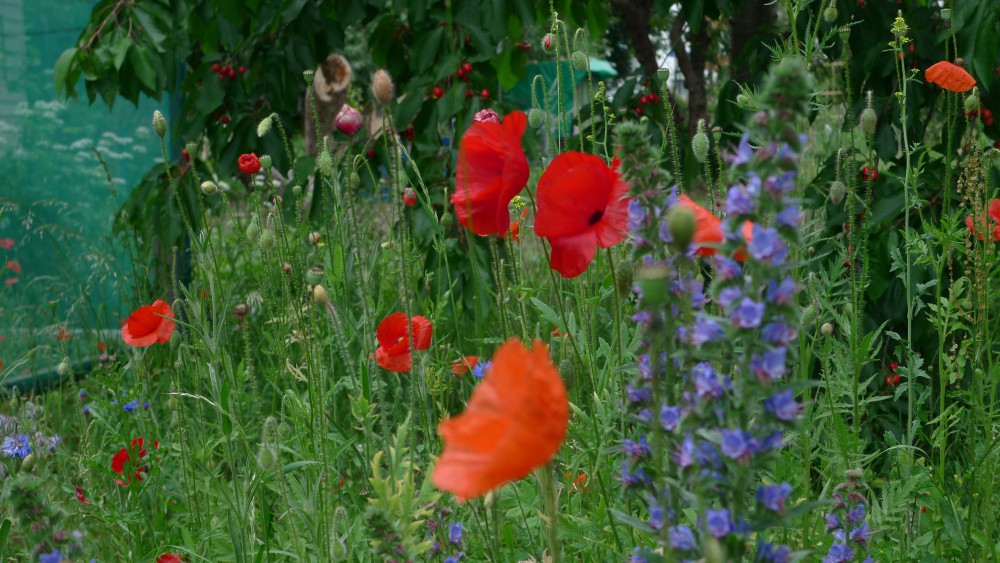
If you have a little bit of sunny space and want to grow just one plant, make it… Vipers Bugloss

Vipers Bugloss at Kew Gardens
Bumble bee nest boxes
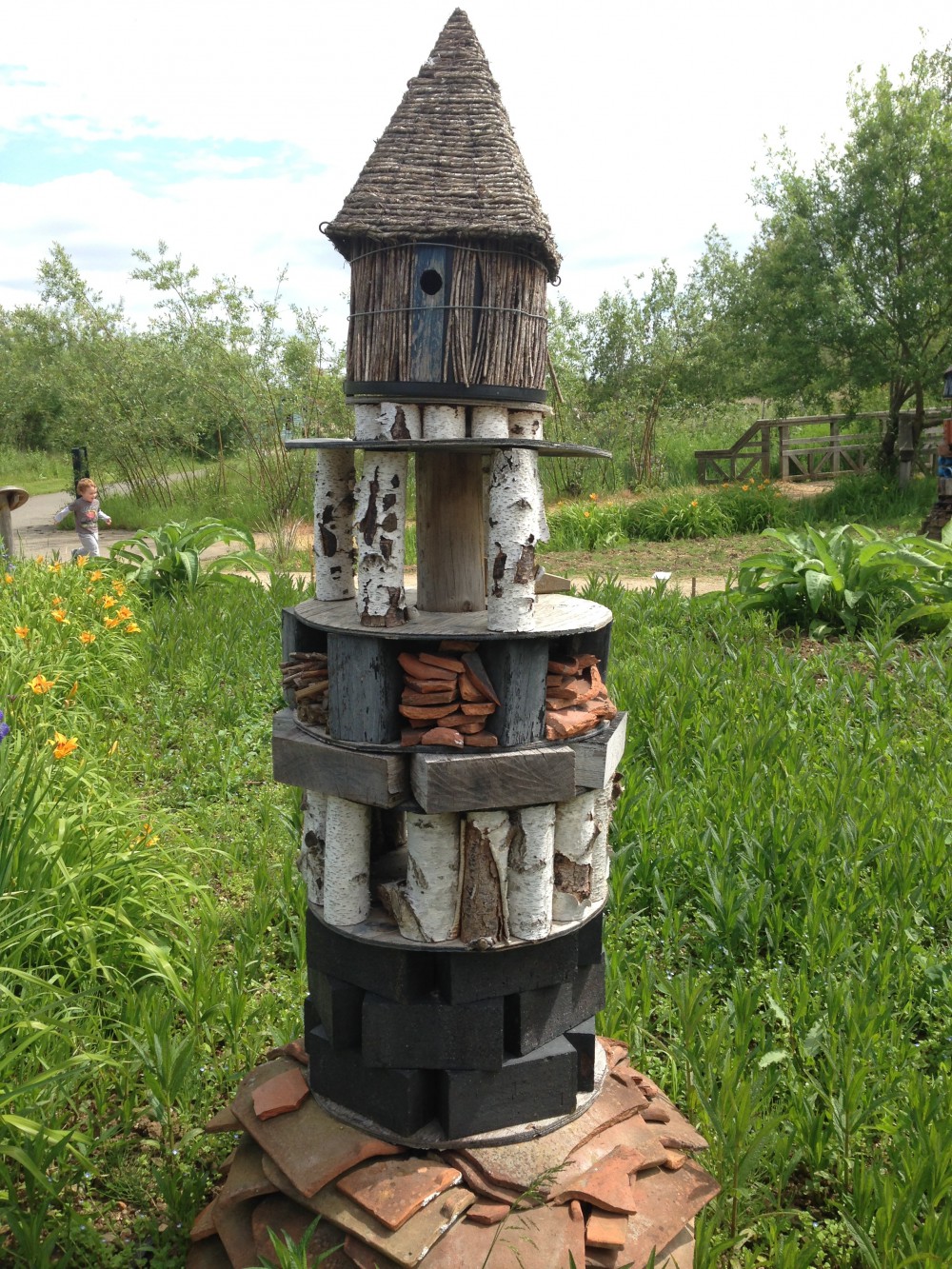
They don’t work! Even home-made ones. But solitary bee nests work really well. You can just get a block of wood and drill 8mm diameter holes in it. Dave did this by drilling holes in a fence post and was rewarded within 20 minutes of putting it up by a mason bee moving in.
What does work to attract bumbles is old undisturbed compost heaps – these are warm and have tunnels made by small mammals. Dave said there’s about a 50% chance of getting a nest in these each year.
So there’s plenty of ideas here – do something for bees tomorrow! Or even today!

















 Adventuresinbeeland's Blog